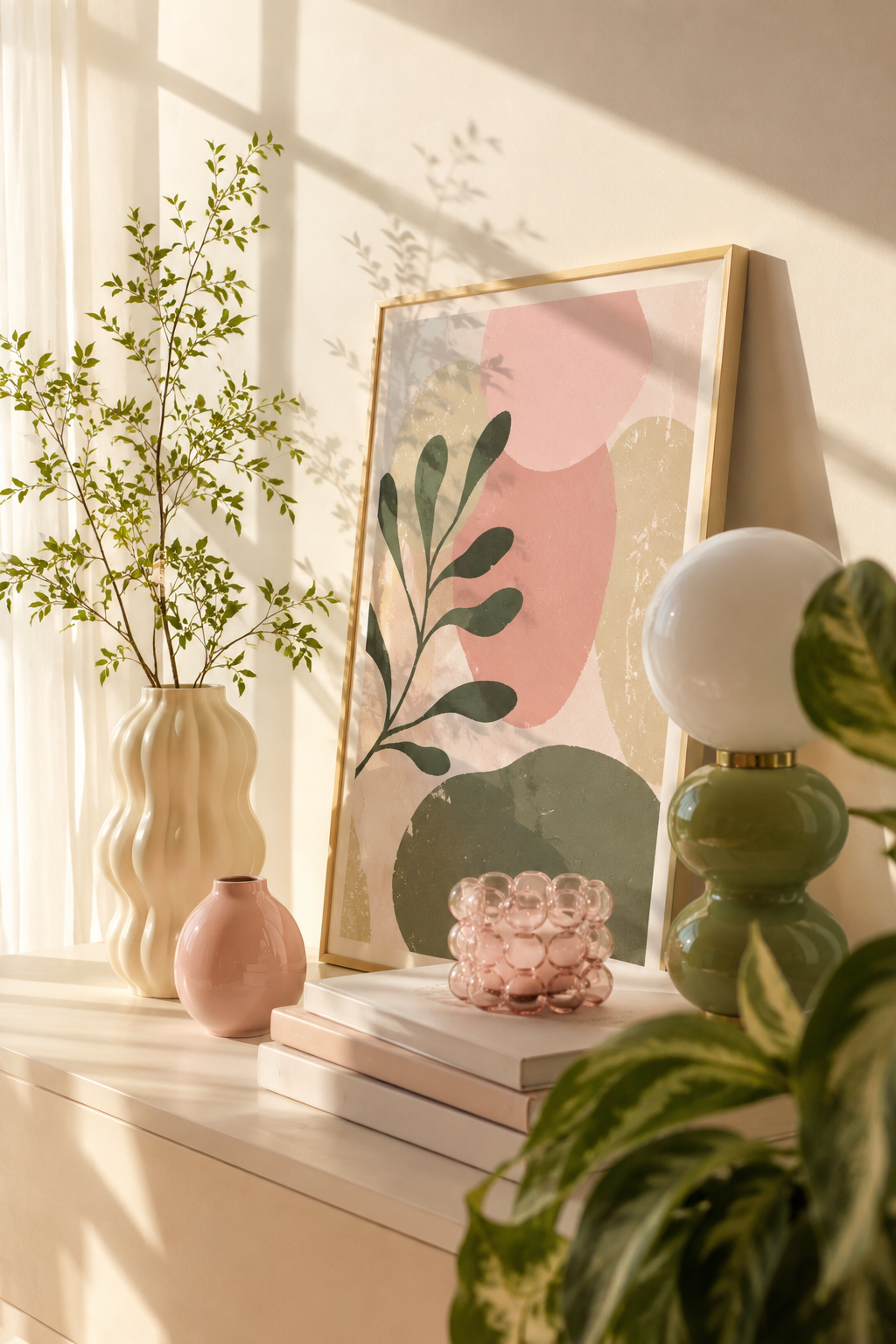
Natural daylight is the ultimate interior amplifier. When light floods a room, shadows retreat, walls appear to recede, and even the most compact studio feels expansive, breathable, and full of life. By harnessing the power of reflective surfaces, delicate textiles, and intentional paint undertones, you can transform a dim compact space into a luminous, sun-kissed haven.
The Science of Light Reflection in Tight Quarters
Light reflectance value (LRV) measures the percentage of light a paint color reflects rather than absorbs. In small spaces, dark or overly saturated walls absorb daylight, causing corners to feel heavy and claustrophobic. However, stark hospital-white paint can feel sterile and unwelcoming in spaces lacking southern window exposure.
The optimal solution is choosing warm, nuanced off-whites with subtle creamy, sandy, or alabaster undertones (LRV between 75 and 85). These tones bounce both daylight and warm incandescent lamplight across the room while retaining that cozy, tactile warmth essential for home comfort.
Strategic Floor Mirror Placement Opposite Natural Windows
Mirrors are essentially interior light reflectors and artificial windows. To double your room's perceived depth, position a large full-length arched mirror directly perpendicular or opposite your primary window. As sunlight enters, the glass catches the daylight and bounces it deep into the shadows of adjacent corners.
Opt for slender brass, light oak, or powder-coated white frames rather than heavy, ornate wooden moldings that feel visually dense. Leaning a tall mirror casually against the wall also draws the eye upward, celebrating vertical ceiling height.
Floor-to-Ceiling Linen Sheers & High-Mounted Curtain Rods
A classic decorating blunder in compact apartments is hanging curtain rods directly above the window frame. This chops the wall in half and makes ceilings feel lower than they actually are.
Instead, mount your curtain rod as close to the ceiling molding as possible (typically 6 to 10 inches above the window frame) and extend the rod 8 to 12 inches past the window on either side. Hang floor-to-ceiling sheer linen or cotton drapes that kiss the floorboards. When drawn open, the fabric frames the glass without obstructing a single millimeter of daylight, creating the illusion of soaring two-story windows.
Selecting Leggy, Low-Profile Furniture for Visual Airiness
Heavy furniture that sits flush against the floor stops the eye and creates visual dead ends. To keep a small studio feeling airy, choose sofas, sideboards, and bed frames raised on slender tapered legs. Seeing the continuous floor plane underneath furniture fools the brain into perceiving significantly more square footage.
Incorporate transparent or reflective accent materials—such as acrylic nesting side tables, fluted glass cabinet doors, and polished travertine trays—that allow light to pass through unobstructed, ensuring an open and effortless aesthetic flow.